

The Baylor M.S. in Marriage and Family Therapy (MFT) is delivered through an innovative hybrid format—but what does that mean?
By definition, 'hybrid' is a blending of two or more elements to create something unique—and that is exactly what we offer at Baylor.
Baylor's hybrid marriage and family program combines the flexibility of online learning with the connection and hands-on training of in-person education, giving students across the country access to a rigorous clinical degree from a leading R1 Christian university without requiring them to relocate.
Online Learning in Baylor's Hybrid MFT Program
While the hybrid model offers students some flexibility in when and how they do their studying, Baylor MFT students are full-time students in every sense and will reach their fullest potential when committed to a structured, daily routine. Students can expect to put in up to 55 hours of work per week in class time, assignments and independent study.
Students complete asynchronous coursework throughout the week, along with live, synchronous class sessions on weekday mornings.
Asynchronous work is all done independently. It includes prerecorded lectures, readings, and independent assignments. Students typically focus on working through asynchronous materials Friday-Tuesday in preparation for the week’s synchronous sessions.
Synchronous sessions are mandatory and take place live in our virtual classroom. During "synch" sessions, Baylor MFT faculty bring the materials studied independently to life and help students apply concepts through interactive polling, case studies, and vignettes. Students begin to learn and practice hands-on skills associated with the content. Synchronous sessions generally take place Wednesdays and Thursdays at 9:00am and 10:30am (CST), and last approximately 90 minutes each (so expect to be in virtual class from 9:00 am – 12:00 pm CST).
To assist in the preparation of the supervised clinical internship, MFT students will research and interview at least five MFT Clinical Directors either in your geographical area or virtually.
| Sunday | Monday | Tuesday | Wednesday | Thursday | Friday | Saturday |
|---|---|---|---|---|---|---|---|
Synchronous Schedule | 9:00am, 10:30am | 9:00am, 10:30am | |||||
Daily Study* | 5 hours | 5 hours | 5 hours | 5 hours | 5 hours | 5 hours | 5 hours |
Sleep | 8 hours | 8 hours | 8 hours | 8 hours | 8 hours | 8 hours | 8 hours |
Personal Time | 11 hours | 11 hours | 11 hours | 8 hours | 8 hours | 11 hours | 11 hours |
*Estimated daily study hours account for both synchronous sessions and independent asynchronous work.
Virtual and On-campus Immersives
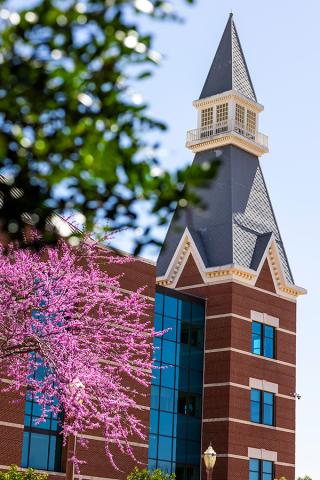
Baylor's hybrid MFT degree includes several immersive experiences on-campus and virtually to put skills into practice, earn a valuable certification, and prepare for clinical placement. Examples of immersives include:
Support Finding Clinical Placement Sites
A full-day experience that ties coursework together and demystifies the process of finding a clinical placement site, a daunting step made easy with the support of Baylor MFT's experienced faculty and staff.
Hands-on Clinical Preparation
This week brings together concepts from Systems, Psychopathology, Basic Skills, and Child & Adolescent Therapy coursework through applied role-play. It culminates in a clinical readiness interview, a personal checkpoint confirming each student is prepared to begin clinical placement that summer.
Earn a Professional Credential
Tied to Couples Therapy and Research Methods coursework, this immersive includes a full-day Prepare/Enrich premarital counseling certification training, giving students a tangible credential alongside their coursework.
Supervised Clinical Internship
Throughout the program, students will complete a minimum of 300 hours of supervised marriage and family therapy clinical training at offsite clinical placement sites with 150 of these hours being relational as a requirement of their practicum experience. Students will be equipped and resourced through program administration and faculty to identify qualified sites and supervisors in their home state.
Built Around the Realities of Clinical Practice
Every element of the hybrid format—from class scheduling to the cadence of immersive experiences—is designed with future clinical practice in mind. Morning classes preserve the afternoon and evening hours when therapists typically meet with clients, helping students establish that rhythm before they begin clinical work. By balancing structured learning and supervision with the flexibility clinical practice requires, the program prepares students for the schedule they will maintain as working therapists.
Frequently Asked Questions
This is a common question! Baylor MFT students are cautioned not to hold outside full time employment while completing the program, as they are expected to give their time and attention to the full-time academic demands of the curriculum, travel requirements for onsite immersives, and the completion of supervised clinical internship hours starting the third term of the program.
We strongly encourage all students to avoid working during the first trimester to help facilitate a strong start in the program. After the first trimester, if students still want or need to work, they will be better able to create a work schedule that won't negatively impact their education.
Baylor’s hybrid MS in Marriage and Family Therapy is designed as a full-time program and does not currently offer a part-time completion option. Courses are developmentally sequenced, with each trimester building on the one before it. Once clinical placement begins, students should also expect to spend approximately 10 hours per week on-site to complete their required clinical hours within the program timeline. Because the program requires a substantial time commitment, prospective students should carefully consider how it will fit alongside work and other responsibilities.
Students travel to Baylor’s campus in Waco one to two times each year for 2-3 full day immersive experiences. Other immersive experiences are held virtually.
Hybrid learning does not mean learning alone. Live class sessions create space for real-time dialogue with faculty and classmates rather than relying on discussion boards or prerecorded lectures. These embedded touchpoint and intentional outreach from faculty and staff ensure every student is known, connected and supported throughout the program.